
Asteya Practice of Non-Stealing: The Third Yama That Will Transform Your Yoga Journey
The Hidden Ways We Steal From Ourselves: Exploring the Asteya Practice of Non-Stealing
The moment I realized I was practicing the opposite of the Asteya practice of non-stealing changed everything in my yoga journey. You see, the Asteya practice of non-stealing is essential for anyone seeking authentic transformation through yoga.
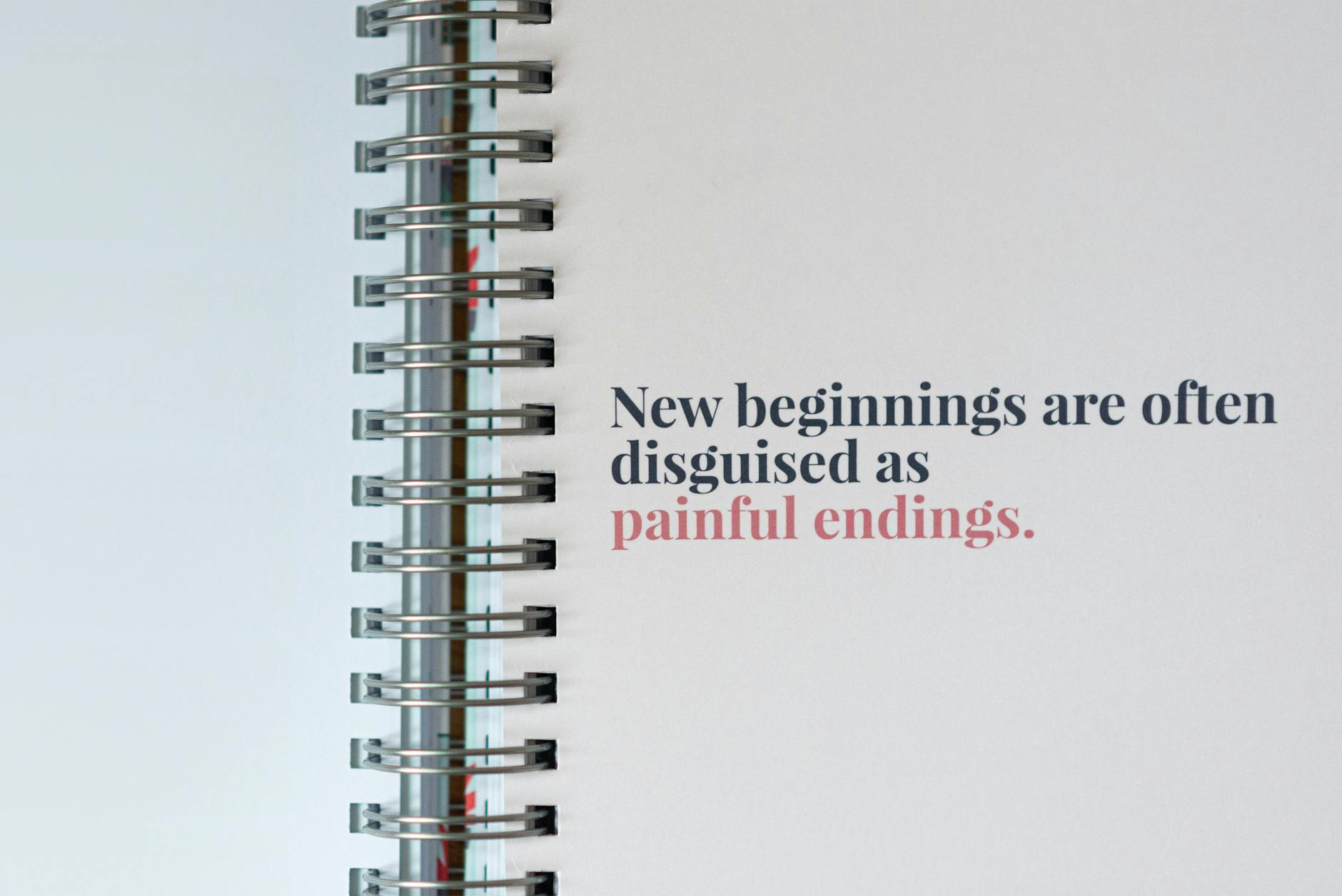
It wasn’t a dramatic epiphany. No lightning bolt of insight. Just a quiet moment after being let go from a yoga teaching position I’d barely begun.
There I stood, questioning my voice, my teaching, and my place in the yoga world. Ready to walk away from it all.
But sometimes, the universe has a way of redirecting us toward alignment—even when it feels like rejection.
This experience became my gateway into truly understanding Asteya, the third Yama in Patanjali’s Eight Limbs of Yoga. And while this ancient concept is often translated simply as “non-stealing,” its wisdom runs much deeper, touching every corner of our lives.

Beyond the Surface: Understanding the Asteya Practice of Non-Stealing in Patanjali’s Yoga Sutras
When the ancient sage Patanjali compiled the Yoga Sutras around 400 CE, he wasn’t just creating a manual for physical postures. He was offering a complete framework for living an awakened life. The Eight Limbs he outlined begin with the Yamas—five ethical restraints that guide how we interact with the world around us.
The first two Yamas set the foundation:
Ahimsa (non-violence) teaches us to move through the world with compassion and care.
Satya (truthfulness) invites us to align our words, thoughts, and actions with what is real and honest.
Building upon these, Asteya (non-stealing) asks us to examine the subtle ways we take what isn’t freely given—whether material possessions, emotional energy, opportunities, or even our own potential. Therefore, the Asteya practice of non-stealing becomes a daily commitment to ethical living beyond the yoga mat.

In Sanskrit, “steya” means “stealing,” and “a” serves as a negation. Thus, Asteya literally translates to “non-stealing” or “non-coveting.” But in the context of Patanjali’s teachings, the Asteya practice of non-stealing encompasses far more than refraining from theft in the conventional sense. It invites practitioners to recognize abundance rather than scarcity in all aspects of life.
Forms of Stealing in Modern Life: Why the Asteya Practice of Non-Stealing Matters Today
That job I lost? Looking back, I can see how staying would have gone against my Asteya practice of non-stealing. Undoubtedly, I would have contorted myself to fit someone else’s vision rather than honoring my own teaching style and gifts.
But this is just one example of the invisible theft we commit daily—often against ourselves.
Consider these subtle forms of stealing that might be happening in your life:
- Time theft: Scrolling mindlessly when your heart yearns for creative expression or meaningful connection
- Energy theft: Saying “yes” when your entire being wants to say “no”
- Attention theft: Multi-tasking during conversations, robbing others of your presence
- Self-theft: Hiding your gifts out of fear, stealing from both yourself and those who need what you offer
- Future theft: Depleting your tomorrow’s resources for today’s temporary comfort

Even in yoga practice itself, we might violate the Asteya practice of non-stealing—pushing beyond our body’s wisdom to force a pose, stealing from our long-term wellbeing for a momentary sense of achievement. As renowned yoga teacher Donna Farhi explains, “True Asteya practice begins with recognizing what is enough.”
How Asteya Follows Naturally from Ahimsa and Satya
The beauty of Patanjali’s system lies in its coherence. Significantly, each Yama builds upon the ones before it, therefore creating an integrated approach to ethical living.
When we practice Ahimsa (non-violence), we cultivate compassion toward all beings, including ourselves. This compassion naturally leads us to Satya (truthfulness)—for how can we truly care for others while deceiving them?
And when we commit to both non-violence and truth, Asteya (non-stealing) follows organically. Thus, we recognize that taking what isn’t freely given—whether physical objects, opportunities, or energy—causes harm and perpetuates falsehood.
Consider how these three Yamas work together in daily life:
- When you honor your body’s limits in yoga class (Ahimsa), speak honestly about your experience (Satya), and resist comparing yourself to others or stealing their peace with your competitiveness (Asteya)
- When you respect others’ boundaries (Ahimsa), communicate your needs truthfully (Satya), and refrain from taking more than your share of talking time in a conversation (Asteya)
- When you treat yourself with kindness (Ahimsa), acknowledge your true desires (Satya), and stop stealing from your future self by neglecting rest or self-care (Asteya)
When Withholding Becomes Stealing: The Paradox of Asteya
There’s another, more counterintuitive dimension to Asteya that few discuss: the practice of not withholding.
Sometimes, non-stealing means giving freely of what you possess—your talents, your voice, your authentic presence. Because withholding what could benefit others can itself become a form of theft.
I experienced this firsthand after losing that teaching position. For weeks afterward, I questioned whether I should continue teaching yoga at all. I nearly withheld my voice from the world because one person didn’t resonate with it.
But that would have been its own form of stealing—robbing myself of growth and potentially depriving others who might connect with exactly what I have to offer.
The paradox of Asteya teaches us that:
- Holding back your gifts can be stealing from the collective
- Staying silent when truth needs speaking can steal potential healing
- Hiding your light doesn’t serve anyone—it steals from the world’s brightness
Asteya Across the Five Koshas: A Holistic Approach
In yogic philosophy, human beings are understood to exist in five interconnected layers or sheaths, known as the Koshas:
- Annamaya Kosha (physical body)
- Pranamaya Kosha (energy body)
- Manomaya Kosha (mental/emotional body)
- Vijnanamaya Kosha (wisdom/intellect body)
- Anandamaya Kosha (bliss body)
Asteya can be practiced across all these dimensions:
Physical Body (Annamaya): Not taking more material resources than you need; respecting others’ physical boundaries; eating mindfully without depleting environmental resources.
Energy Body (Pranamaya): Breathing fully without grasping; honoring your energy reserves; not draining others with emotional demands.
Mental/Emotional Body (Manomaya): Avoiding comparison and envy that steals your contentment; not stealing attention or undermining others’ confidence.
Wisdom Body (Vijnanamaya): Not claiming others’ ideas as your own; giving proper attribution; being honest about your knowledge limitations.
Bliss Body (Anandamaya): Not stealing your own joy through unnecessary suffering; allowing yourself access to divine connection without guilt.
When our practice of Asteya becomes this comprehensive, its transformative potential expands exponentially.
The Asteya Practice of Non-Stealing in Daily Yoga: Personal Applications
Sometimes the most powerful practices emerge from the simplest shifts. During a recent Ayurvedic cleanse, I replaced my evening glass of wine with herbal tea—particularly dandelion root, which supports liver function and clarity.
What began as a temporary health choice revealed something deeper: my nightly wine had become less about enjoyment and more about numbing. I was violating my Asteya practice of non-stealing by stealing from my own clarity, presence, and morning energy for a momentary buffer against the day’s intensity.
This small shift—choosing tea over wine—became an act of Asteya toward myself. Not as punishment, but as reclamation. Not as deprivation, but as honoring what my body truly needed.
The Asteya practice of non-stealing lives in these everyday decisions:
- Turning off notifications to reclaim your attention
- Setting boundaries around your time and energy
- Speaking your truth even when silence feels safer
- Allowing yourself to rest without guilt
- Recognizing when enough is truly enough

When Teachers Practice Asteya: Sustainability in Service
For anyone in a helping profession—particularly teachers, healthcare workers, parents, and caregivers—Asteya offers a crucial framework for sustainable service.
In my years working in education, I witnessed firsthand how educators consistently give beyond their resources: arriving early, staying late, spending personal funds on classroom supplies, sacrificing weekends for grading, skipping meals to support struggling students.
This dedication is beautiful and necessary. But without awareness, it can become unsustainable self-theft.
Asteya invites teachers and caregivers to ask:
- Am I stealing from my future capacity by depleting myself now?
- Am I withholding my needs because I’ve internalized that they don’t matter?
- Am I taking on responsibilities that aren’t mine to carry?
- Am I teaching others dependency rather than empowerment?
The invitation isn’t to give less—it’s to give from fullness rather than depletion. Because when we steal from ourselves to serve others, eventually we have nothing left to offer.
The Ravens’ Message: Don’t Withhold Your Voice
Every evening on walks near my Southern California home, I encounter hundreds—sometimes thousands—of ravens gathering in the trees and circling overhead, their calls filling the twilight air.
In many traditions, ravens symbolize wisdom, truth, and transformation. They are messengers between worlds, reminding us of deeper realities we might otherwise forget.
To me, their presence has become a living embodiment of Asteya’s teaching: Don’t shrink. Don’t withhold. Don’t abandon your voice.
Because sometimes the greatest theft is the one we commit against our own potential.
Practicing Asteya Through Yoga Nidra: A Guided Journey Home
In the Yoga Nidra practice I developed around Asteya, participants journey through an emerald-green hallway inspired by the Emerald City in The Wizard of Oz—that magical place where we discover we already possess what we’ve been seeking.
At the heart of this practice lies a Sankalpa, or heartfelt resolve:
“I honor what is mine to carry. I release what is not. I live with respect and restraint.“
This isn’t just a pretty affirmation. It’s a revolutionary commitment to stop the unconscious stealing that depletes our energy and fragments our attention.
Through the deeply restorative practice of Yoga Nidra (yogic sleep), we can rewire the nervous system to recognize sufficiency rather than scarcity, contentment rather than craving. We can release what we’ve been carrying that was never ours to hold.
Your Guide to Implementing the Asteya Practice of Non-Stealing in Modern Life
Ready to bring the Asteya practice of non-stealing more consciously into your daily life? Consider these practical approaches:
- Start with awareness: For one day, simply notice the subtle forms of stealing that might be happening—taking more than your share, interrupting others, multi-tasking during conversations, depleting your resources, etc.
- Practice restraint: Choose one area where moderation would serve you—perhaps social media, shopping, alcohol, or work hours—and experiment with mindful limits.
- Give attribution generously: Acknowledge the sources of your ideas, inspirations, and opportunities. Recognize that no achievement is solely our own.
- Release comparison: Each time you find yourself envying another’s journey, consciously return to your own path. Comparison steals joy like nothing else.
- Reclaim your attention: Create boundaries around technology use. Your attention is perhaps your most precious resource—be intentional about where it goes.
- Honor your needs: Recognize that denying your own needs often leads to unconsciously taking energy from others later. Self-care is the asteya practice of non-stealing in action.
- Share your gifts: Identify where you might be withholding your talents, voice, or presence out of fear, and take one small step toward expression.

Reflection Questions to Deepen Your Asteya Practice
As you explore this transformative Yama, consider journaling on these questions:
- Where in your life are you ready to practice restraint, not as punishment, but as peace?
- What are you being asked to return—gently, humbly, with love?
- What would it feel like to offer your time, attention, or presence only when it aligns with your inner compass?
- Where have you been withholding your voice, your light, or your gifts?
- What would it look like to stop stealing from your future self in exchange for short-term safety or comfort?
The Liberating Truth of the Asteya Practice of Non-Stealing: You Are Already Enough
Perhaps the most profound teaching of the Asteya practice of non-stealing is this: When we truly understand that we are enough—that we have enough—the impulse to grasp, to take, to steal naturally dissolves.
Patanjali understood this when he placed Asteya among the foundational practices of yoga. He knew that spiritual freedom requires releasing our desperate clutching at what we think will complete us.
The Asteya practice of non-stealing ultimately reveals that:
- You don’t need to do more to be worthy
- You don’t need to carry what isn’t yours
- You don’t need to prove a thing
You are already enough. You are already whole.
This week, may you return to what is truly yours through your Asteya practice of non-stealing. May you release what no longer serves. May you live with the clarity, care, and spacious restraint that Asteya offers.
Looking to explore the other Yamas in depth? Our series continues next month with Brahmacharya: The Fourth Yama and in July we’ll explore Aparigraha: The Fifth Yama.

What area of your life could benefit most from the Asteya practice of non-stealing? Share your reflections in the comments below to continue the conversation. And, join our community to weigh in!
For a deeper understanding of yogic philosophy and how it applies to modern life, subscribe to my newsletter so you don’t miss a thing!
Leave a Reply